Ex-Muslim: Muslims Imagine Paradise As A Night Club
A former Muslim, posting on YouTube as @mohammedasyraf3830, describes the emptiness he felt in Islam, a dream about Jesus, and the love he says he found in Christ.
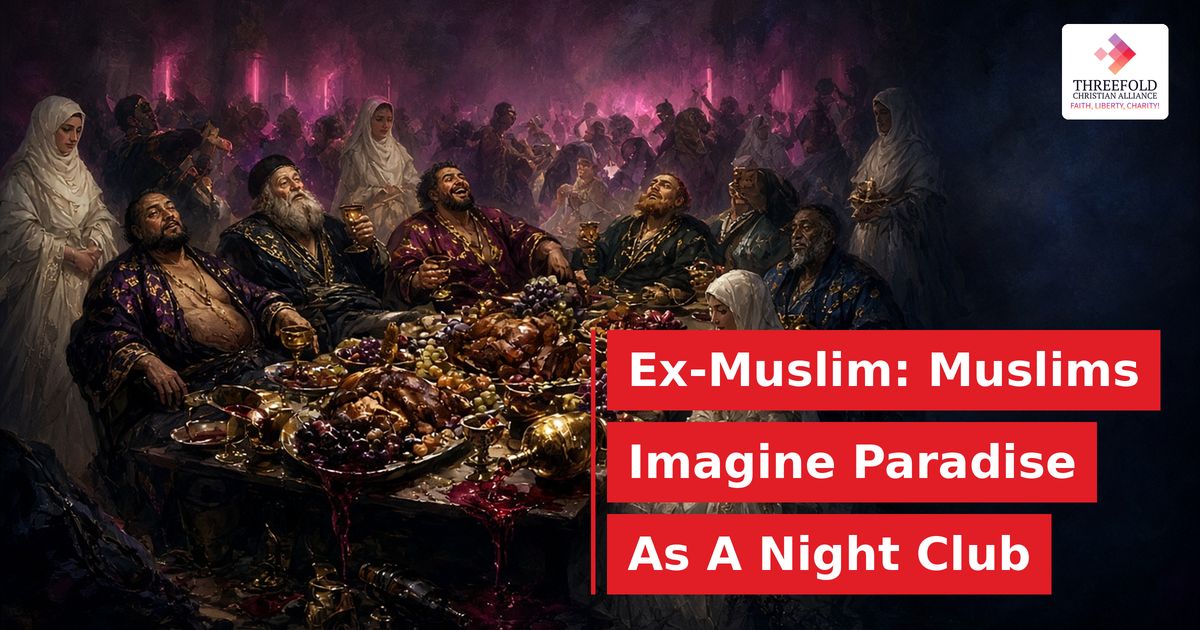
“Heaven in Islam is like night club.”
That is how a self-described former Muslim, posting on YouTube as @mohammedasyraf3830, summarizes the vision of paradise he says he grew up believing in. But his lengthy testimony is about more than the afterlife. It describes spiritual emptiness, the fear surrounding religious departure, and the love he says he eventually found in Jesus Christ.
“My heart was so empty”
The commenter begins by describing anxiety, depression, and stress, which he attributes to his experience of Islam.
He says he tried to be faithful: reading the Quran, doing good deeds, and asking Allah for help. Yet those efforts did not bring the connection he was seeking.
“I’d say Allah come help me to do something fill me but my heart was so empty.”
He describes that emptiness as painful—a feeling that something essential was missing from his life.
His account challenges the assumption that outward religious observance necessarily produces inward peace. By his own description, he was practicing his religion while struggling to find love and a relationship with God.
A dream about Jesus
The turning point, he writes, came through a dream.
He describes Jesus embracing him, placing a hand on his shoulder, and acknowledging his pain. In the dream, he understood Jesus to be waiting for people to turn toward him rather than abandoning them because of their sins.
“He will never forget us. He’s always waiting for us.”
The commenter says this experience changed his understanding of God. Where he had previously felt distance, he now felt closeness.
“When I was a muslim I never felt a connection between me and Allah.”
For him, Christianity became personal: not simply a new set of religious obligations, but a relationship marked by love, reassurance, and hope.
Celebrated for joining, threatened for leaving
The testimony also raises a pointed question about freedom of conscience.
The commenter contrasts the congratulations offered to people who convert to Islam with the condemnation—and, in the religious rulings he discusses, death penalties—faced by those who leave.
His objection is straightforward: the freedom to embrace a religion should also include the freedom to reject it.
He cites Islamic texts and traditional interpretations concerning apostasy as a central reason for his rejection of the faith. His response is blunt:
“It’s evil. So cruel.”
For this former believer, the issue is not an abstract theological debate. It concerns whether a person can follow their conscience without being threatened for changing their beliefs.
“Heaven in Islam is like night club”
The comparison in the headline comes from his criticism of the rewards he understood Islam to promise.
He describes a religious life organized around prayer and good deeds in anticipation of an afterlife featuring sexual rewards and alcohol. To him, that vision reduced paradise to the pleasures of a nightclub.
“Heaven in Islam is like night club. It’s true, I’m not gonna lie to you.”
That is his characterization of the teachings he encountered. The contrast driving his testimony is between the rewards he says he once pursued and the love he says he now experiences.
He writes that, after leaving Islam, the world no longer seemed empty or without purpose.
“Without Islam my life is much more happy and love and peace. Jesus gives me all of this.”
A different understanding of love
Near the end of his comment, he recalls crying when he first read the Bible. He singles out John 3:16—the passage describing God’s love for the world and the gift of his Son—as especially moving.
His testimony closes with gratitude to Jesus and a call to pray for Muslims and others who have not come to share his Christian faith.
“I sharing this because I want to let them know that YOU love them.”
The language is unpolished, but the central message is clear. This is someone describing a profound change in his spiritual life: from painful emptiness to a sense of being known, loved, and accompanied by God.
His account ends not with the nightclub imagery, but with the connection he says he had been searching for all along.
Source: YouTube comment by @mohammedasyraf3830, reproduced in the supplied screenshot and transcript. Quotations retain the commenter’s wording.